ProductsHow It WorksThe StudioThe Orchestrator
EnterpriseOverviewIntelligenceWho It's ForSecurityIT Governance
Pricing
ResourcesNewsAboutFAQ
Get in touch
The Studio
An AI workspace the company owns. Governed and protected.
A desktop application where specialist AI agents work projects as a team. Each agent has its own model, tools, and role. Data protection runs on every interaction. Intelligence stays on the machine.
Agent teams
Specialists with different perspectives, roles, profiles and traits.
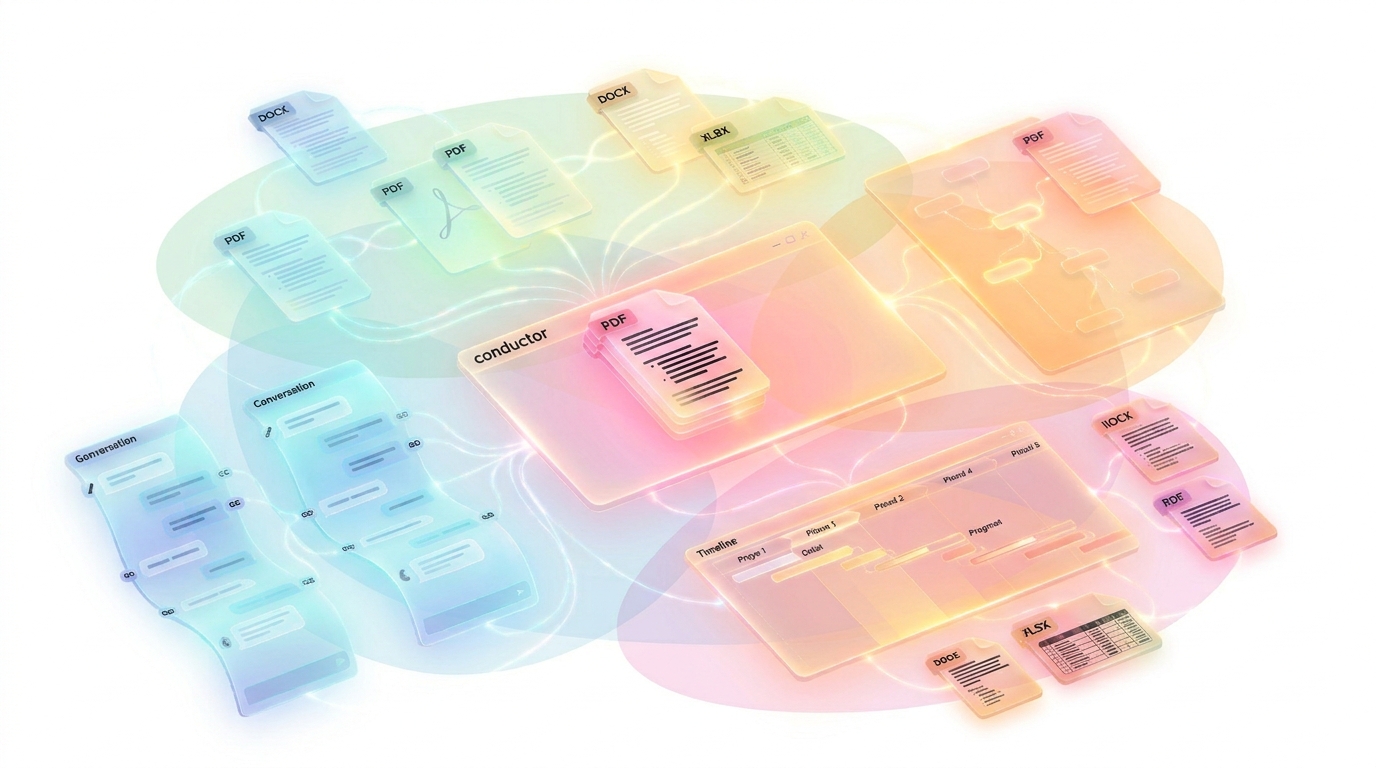
Configure a security reviewer, a compliance expert, a backend architect, and a content specialist. Each with its own AI provider, model, instructions, and domain knowledge. A conductor agent organises the work and keeps consistency across the team.
Agent kits deploy a pre-configured team in one click. Each agent authenticates with its own identity, operates within its defined remit, and participates in structured conversations through the Orchestrator.
Data protection
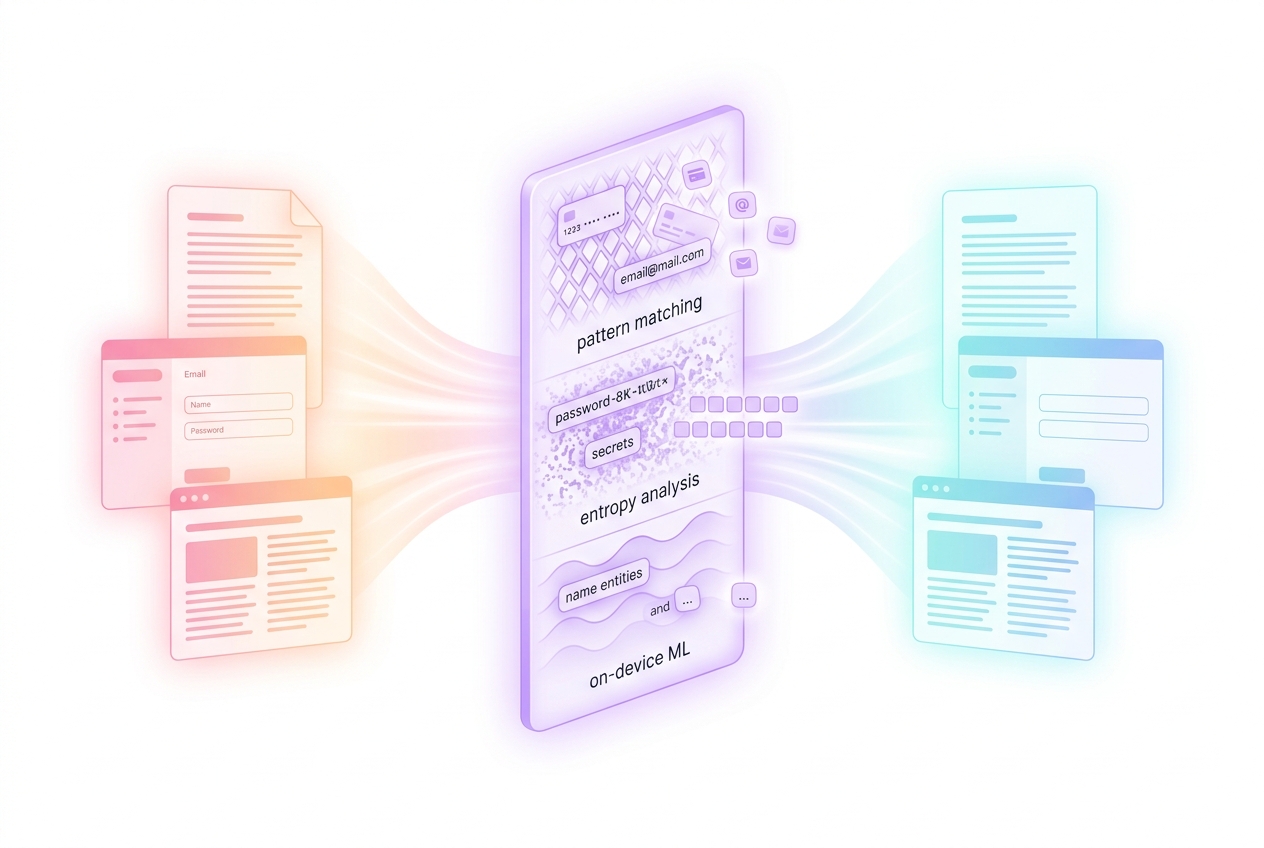
Every message filtered before it reaches any AI vendor. Every transcript encrypted before it leaves the machine.
Data Shield runs three detection layers on all outbound traffic: pattern matching (500+ rules for emails, cards, tax IDs, API keys), entropy analysis (passwords and high-entropy secrets), and on-device ML classification (names and usernames in natural text). Detected PII is replaced with deterministic tokens. A local vault restores originals for display.
Conversations sync to the server encrypted client-side with AES-256-GCM. Keys are derived from the user's password. The server stores ciphertext it cannot decrypt. All detection and encryption runs locally through the Hive sidecar, a Rust binary optimised for security-critical operations.
Workspace
A full working environment where everything connects.
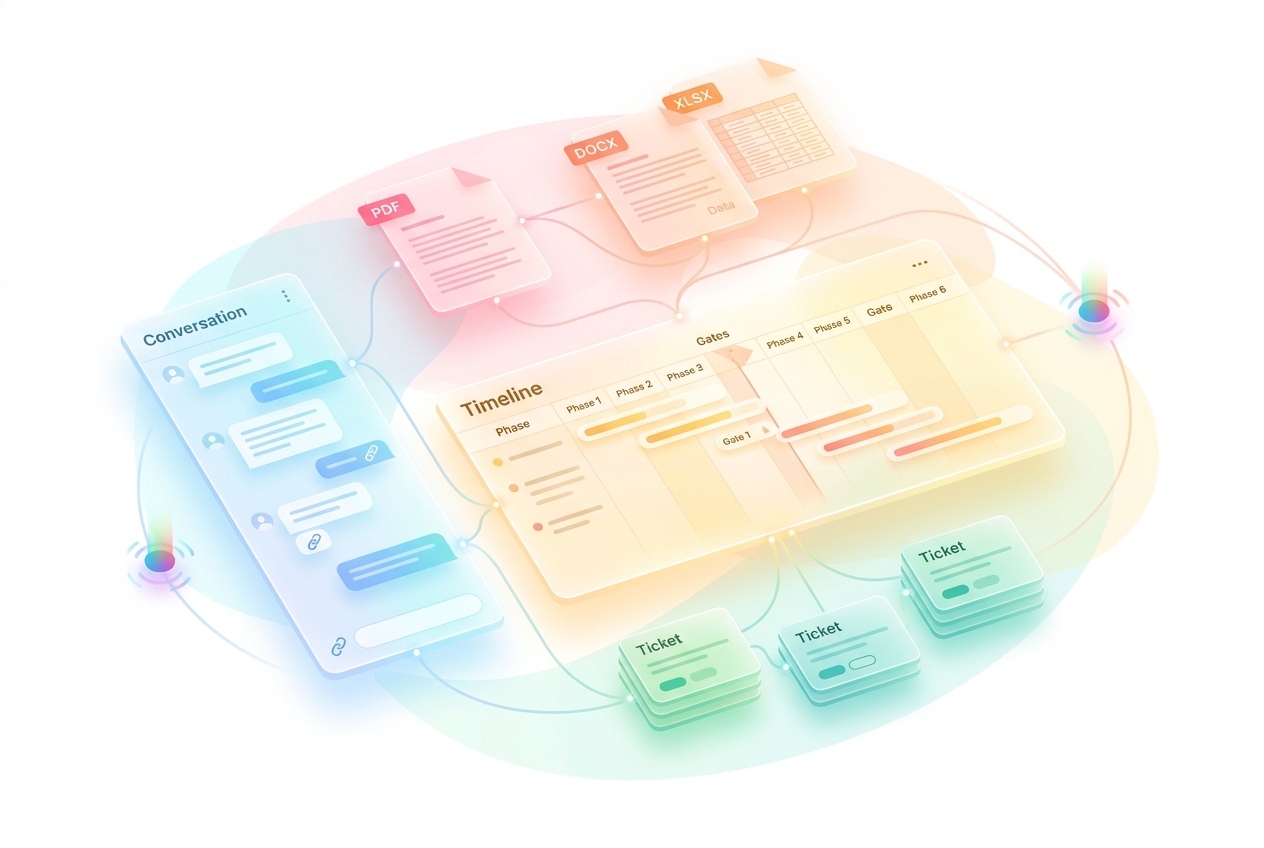
Plans with phases, gates, and progress tracking. Tickets linked to conversations. Knowledge documents referenced with @mentions. Memos for decisions that need to be remembered. Artifacts attached to the sessions that produced them. Annotations on any transcript. Everything is cross-referenced and searchable.
Draggable tabs, detachable windows, persistent layouts. Documents rendered natively: PDF, Word, Excel, PowerPoint. Sessions restore exactly where they left off. The workspace adapts to the workflow, not the other way around.
IT governance
IT controls what every user can do, which vendors they can use, and which tools are allowed.
Organisation policies flow from the server to every Studio installation. Lock down vendors, restrict models, block specific tools, enforce data protection settings. Managed device support for enterprise deployment. Users see a "managed by organisation" indicator when policies are active.
SSO with SAML and OIDC. Automated user provisioning via SCIM. Policy enforcement survives offline sessions through encrypted local caching. Trial expiration, forced logout, and shutdown overlays for compliance scenarios.
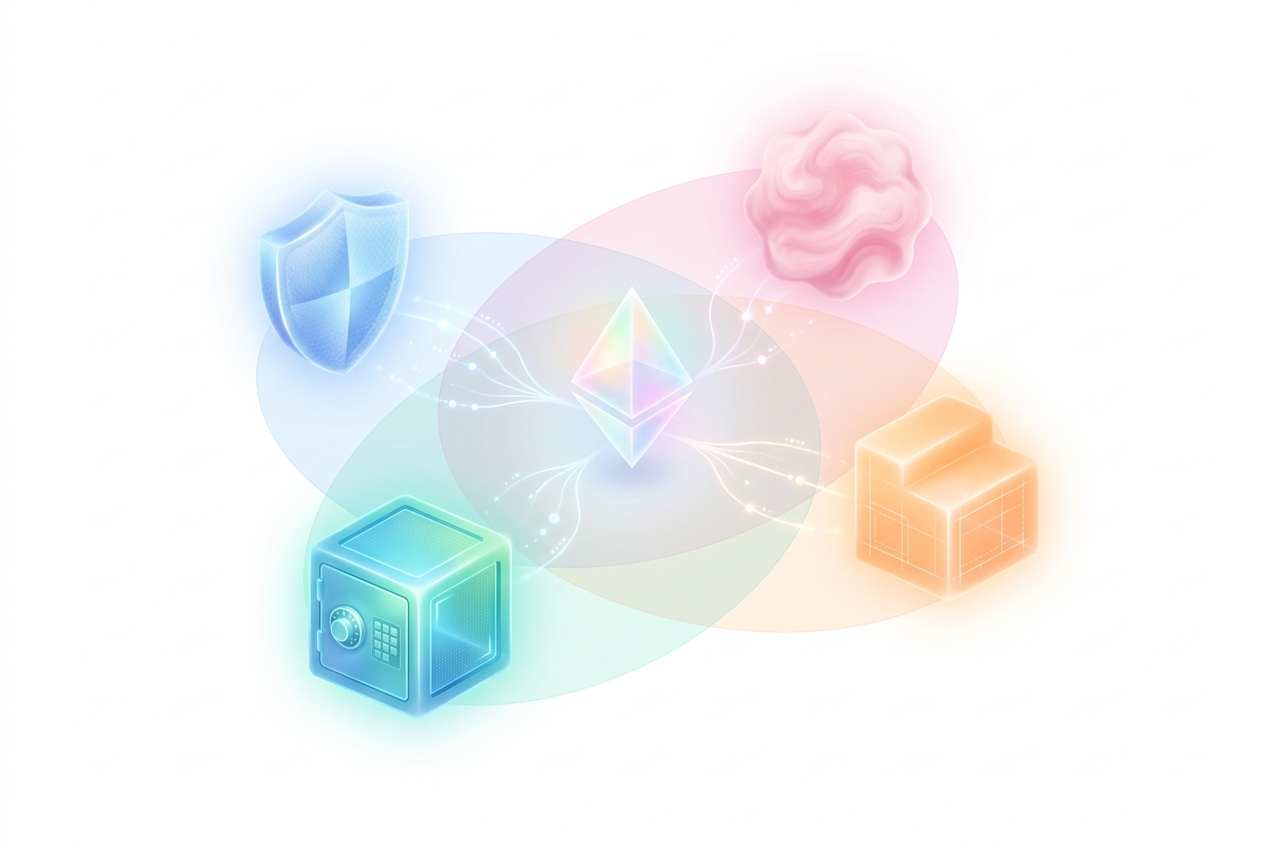
A workspace where AI agents collaborate, data stays protected, and intelligence compounds.
See how Swarmix works
A walkthrough of unified visibility, governance, and intelligence across every AI vendor and team.
- Deploy in weeks
- Works with any existing AI stack
- The road to 42001, GDPR ready